Travel info meter set to 92% Tuesday, May 6 We are back to being a couple. Ted and Veronica are on their way back to France and we will have a day of leisure. This vacation stuff is grueling.
Our only plan today is to join a tour to explore the caves made by the Etruscans in 700 BC that sit under Orvieto and to understand the history behind it.
The tour is available in 5 languages. I was going to choose Italian but Carol has had enough of my linguistic mishaps so we decided on Canadian. Our tour guide was Millie (probably spelled Mèillieux). It was hard to gauge her ethnicity, blondish hair, bit of a north European accent, but very Italian.
There were about 16 in our group from plump to rail-thin, like me, OUCH, l mean like Carol. There was nobody from Scotland so we didn’t need a translator to join us.
After a brief walk along the cliff we went 50 meters down a narrow, winding stairwell to the entrance of the first cave, ducking through the doorway and into a room that could easily handle our company. There was a map on the wall documenting all of the caves under the city. There were more than 1200! Millie said that most buildings would have a cave beneath them and it was included when you took ownership. The only public caves were the 2 that we would investigate.
In the first cave there was an olive press and nearby were 2 millstones that dated back to ancient times. Millie described in detail how each process worked and then we moved down a narrow corridor where she showed us one of the 40 wells that supplied the city with water. They were all about 3′ x 4′ cut perfectly straight and descended 80 meters to the top of the water table which was very shallow so buckets couldn’t be used. Someone would have to climb down with a leather bag and fill it and it would be drawn up with ropes. Because there wasn’t enough oxygen at that depth for breathing or for the oil lamps that were needed to see, an elaborate set of bellows was developed.
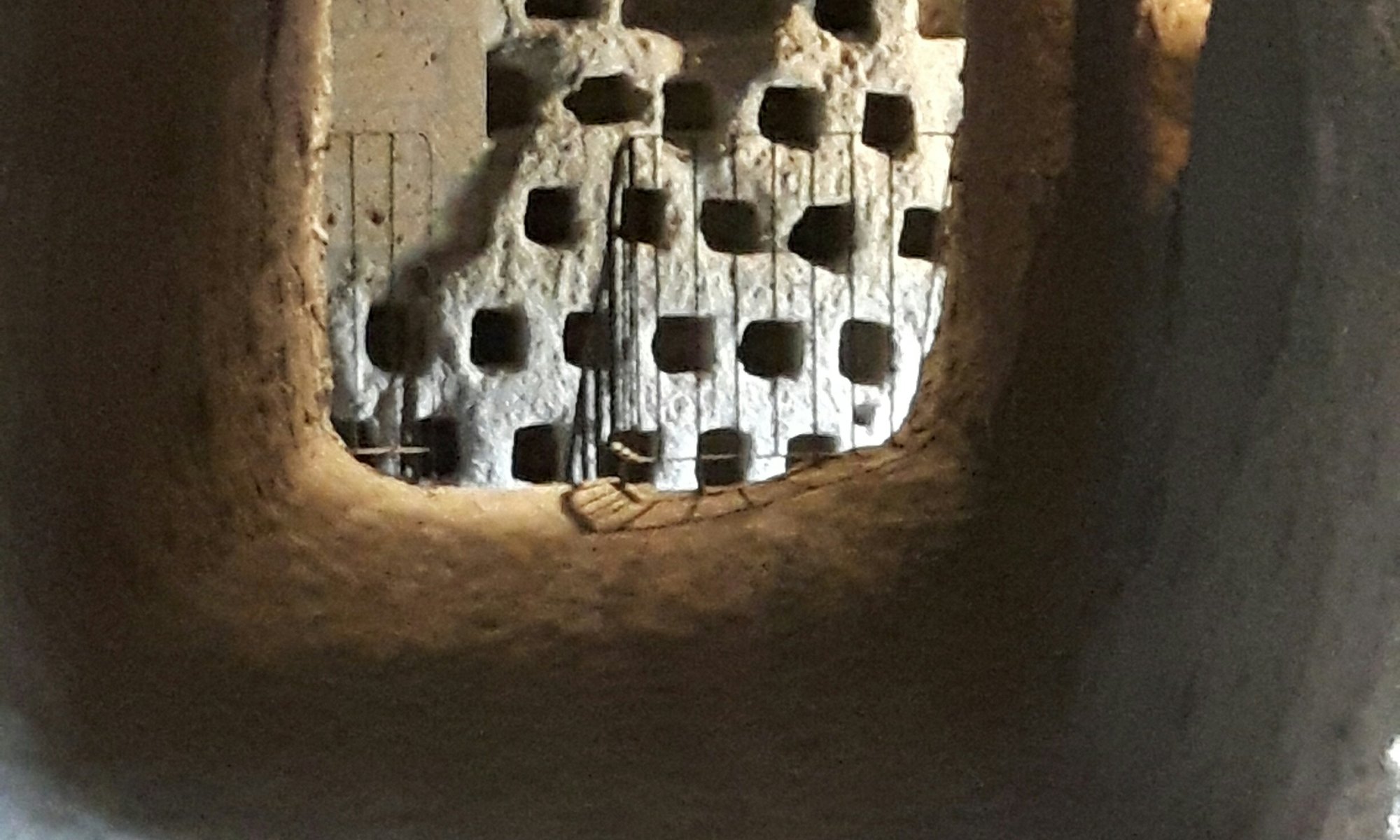
Holes were made in the cave walls to act as pigeon roosts so the birds could be used as meat. The dry, rocky soil couldn’t support larger animals as a meat source and the pigeons would fly out special windows in the walls and feed themselves during the day and then return in the evening where it was easy to capture them. Their guano was used as fertilizer and they reproduced often so it was the perfect marriage (except for the pigeons).
Millie had asked our party beforehand if anyone knew the purpose of the holes and only Carol knew the answer because she had studied up on Orvieto when we arrived. From that point on she held a special assistant-guide status and we were always first in line as we moved from area to area. Carol’s diligence had paid off for her and my plan of playing with the tablet constantly also paid off as I was able to ride her coattails.
The original caves purpose was also to store food so the town could wait out any seiges that they faced. That was the only way to attack a fortification built on towering cliffs.
The Roman’s conquered Orvieto in 264 BC after a 2 year seige starved the Etruscans out. They either massacred or enslaved the inhabitants and totally destroyed the city. It lay in ruins for 700 years until the demise of the Roman Empire in the mid-5th century when it was rebuilt using rock that was dug from new caves. (My ego is nearing professor status as I write this).
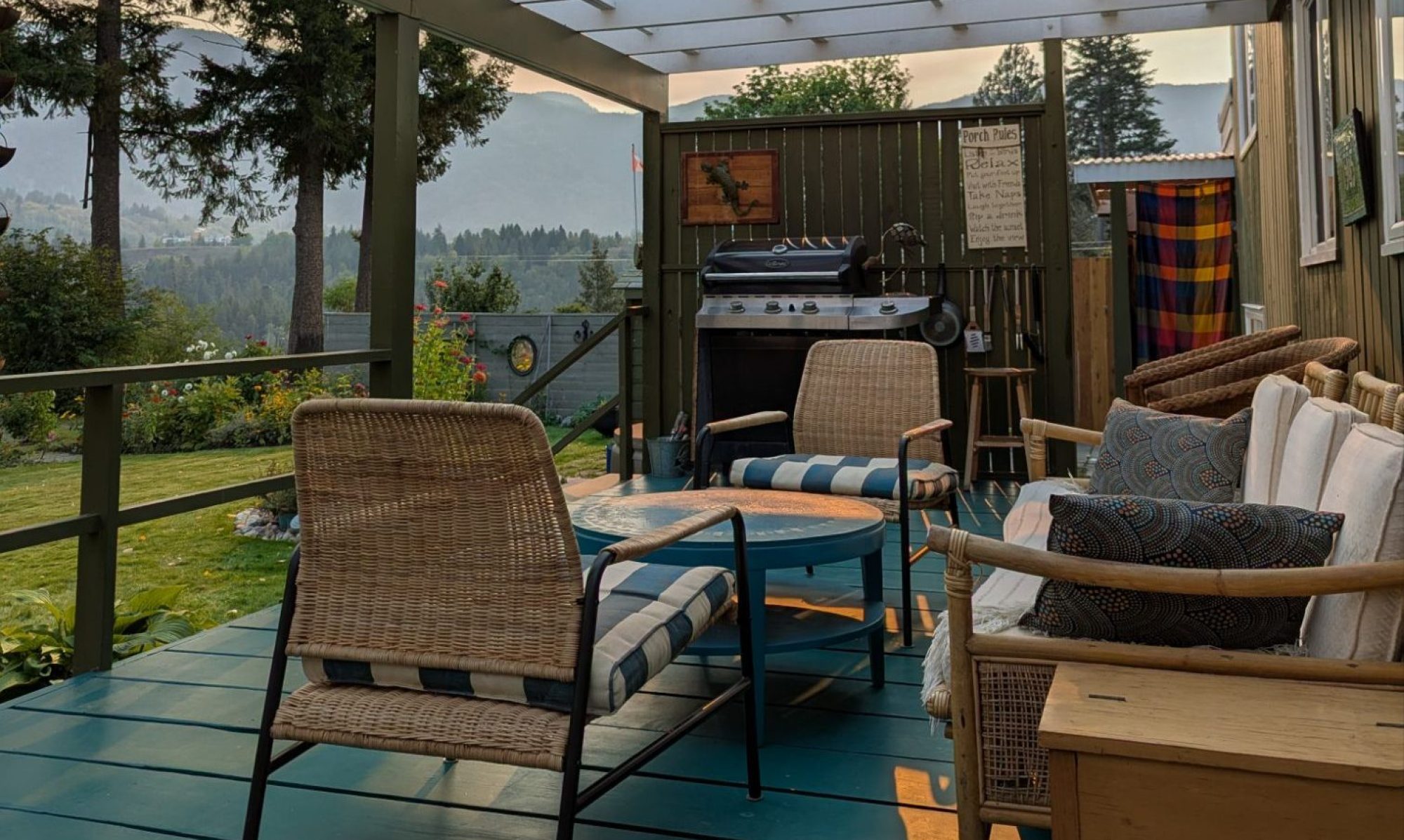
After an hour we returned to the surface near a piazza and went back to our afternoon routine of drink, food, drink. We took our groceries and returned to our apartment for an evening on the patio where I solidified my hold as ‘family rummy champion’ and finished my Italian cigar.
All in all a relaxing day and we had tomorrow to look forward to as we would be making the short train trip to Rome.
 Blue Delivery